
Table of contents
Mass tourism is resetting, and with it the way we measure a “good trip”. After the pandemic rebound and a year of aviation records, the World Tourism Organization (UN Tourism) reported that international arrivals returned to about 99% of 2019 levels in 2024, a near-complete recovery that has also revived crowding, price pressure, and debates about what travel is for. Against that backdrop, unconventional experiences, the kind you don’t plan down to the minute, are increasingly shaping the stories people bring home, and the reasons they travel in the first place.
When the plan breaks, the story begins
Ask frequent travelers what they remember most, and the answers rarely start with the museum ticket they booked three months in advance. They begin with the day something went off-script, and the traveler had to pay attention, improvise, and interact. A missed connection that turns into a night in a neighborhood you would never have chosen, an unexpected invitation to a family table, a detour because of rain, heat, or a closed road; these are disruptions, but they are also narrative engines. They create stakes, characters, and a before-and-after, the elements that make a story worth retelling.
There is data behind that intuition. Tourism researchers have long noted that “novelty” and “variety” are core drivers of travel satisfaction, and that the strongest memories tend to cluster around experiences that feel distinctive, emotionally charged, and socially meaningful. The industry’s own behavioral metrics echo this: platforms that rely on user-generated content routinely see higher engagement on posts framed as “hidden”, “unexpected”, or “local”, not because every viewer wants to replicate the exact moment, but because novelty signals authenticity. In a world where the same “top ten” lists circulate endlessly, the odd encounter becomes proof that a trip was real, and that the traveler was present rather than simply consuming scenery.
Unconventional does not have to mean extreme. Sometimes it is simply a choice to loosen the itinerary, to keep a morning open, to follow a conversation, and to accept that efficiency is not the point. That can feel uncomfortable at first, especially for travelers trained by apps to optimize every hour, but the discomfort is often what makes the memory stick. When you have to ask for directions, negotiate a small purchase, or decode an unfamiliar custom, you create a personal “first time”, and first times are memorable by design.
The shift is also economic. With airfares and accommodation costs having climbed in many markets compared with the pre-2020 period, travelers are more sensitive to the difference between paying for access and paying for meaning. The unconventional moment often costs little, but it changes the perceived value of the trip. A sunset on a crowded viewpoint can be pretty, yet interchangeable; an unplanned meal in a small place where nobody speaks your language can be messy, but it becomes a story with texture, and texture is what people share.
Small encounters beat big landmarks
Here is the uncomfortable truth for the postcard industry: many iconic sights are now experienced in the same way, through the same angles, and sometimes at the same time of day. The result is not only crowding, it is narrative flattening. When everyone has the same photo, what differentiates your trip? Increasingly, it is the micro-moments, the ones that cannot be purchased as a standard package, and that rarely fit into a checklist. The baker who explains a recipe with gestures, the street musician who turns your commute into a concert, the retired teacher who insists you try a local snack; these encounters humanize a destination, and they also give the traveler a role beyond that of spectator.
This is not romanticism, it is how memory works. Psychologists have shown that emotionally salient events, especially those involving social interaction, are encoded more strongly than routine experiences. Landmarks can be emotionally salient, but only if you engage with them beyond the ritualized “arrive, photograph, leave”. Unconventional experiences force engagement. They also create dialogue, and dialogue is the backbone of storytelling, because it provides voice, humor, misunderstanding, and resolution.
There is another layer: the ethics of travel. As cities from Barcelona to Amsterdam debate limits on short-term rentals and the impact of overtourism, travelers are more aware that their presence is not neutral. Choosing smaller-scale experiences can spread spending beyond the most saturated corridors, and it can reduce the sense of “tourist extraction” that locals resent. A neighborhood market visit, a craft workshop, or a community-run tour does not automatically solve structural problems, but it often shifts the relationship from consumption to exchange. For the traveler, that exchange becomes a story that feels earned, and not simply bought.
Practicality matters too. Small encounters are often more resilient than headline attractions. When a museum is sold out, a local café still welcomes you. When a popular trail is closed, a short walk through ordinary streets can still reveal how a place lives. Travelers who build their days around flexible, human-scale moments, rather than only around major landmarks, tend to report fewer “wasted” days, because a change of plan does not equal a loss. It becomes the point.
Risk, respect, and the art of going offbeat
Going offbeat sounds glamorous, but it can also be naive. The line between adventurous and irresponsible is thin, and the modern travel ecosystem, with its viral recommendations and algorithmic “hidden gem” maps, can turn quiet places into crowded ones overnight. The first rule is simple: respect the host community. That means understanding when photography is intrusive, when bargaining is insulting, and when a “secret” spot is actually someone’s home, workplace, or sacred space. If an experience relies on locals tolerating disrespect, it is not unconventional, it is extractive.
Safety is the second rule, and it is not negotiable. Unconventional travel should increase awareness, not reduce it. Share your plans, keep digital copies of documents, understand local transport patterns, and do not confuse “authenticity” with risk-taking for its own sake. Many destinations have different norms around nightlife, road safety, or wildlife, and travelers who chase unusual experiences without local knowledge can put themselves, and others, in danger. The best offbeat moments are often the safest ones, precisely because they are grounded in everyday life: a morning market, a neighborhood festival, a cooking lesson, a short hike with a guide who knows the terrain.
Planning still has a role, but it is planning of a different kind. Instead of building a day around fixed slots, plan for optionality. Book one anchor activity, then leave space for discovery. Research cultural etiquette, seasonal weather, and local holidays, then use that knowledge to move more freely. The goal is not to “wing it” blindly, it is to create conditions where serendipity can happen without turning the trip into chaos. Travelers who do this well often develop a skill that looks like luck from the outside, but is actually preparation: they know enough to recognize a good opportunity, and to take it.
Finally, there is the question of who benefits. Offbeat experiences can be powerful when they support local livelihoods, especially in areas that do not see the same tourist revenue as the central districts. Look for operators who employ local guides, keep group sizes reasonable, and explain where the money goes. If you are looking for ideas in Northern Thailand, for example, resources such as https://www.chiangmai-trip.com can help you identify experiences beyond the obvious circuits, while still keeping the logistics clear, and the cultural context in view.
Turn a moment into a lasting narrative
Experiences do not automatically become stories; they need framing. The travelers whose narratives stay with you are not always the ones who did the most unusual things, they are the ones who noticed what those things meant. They remember the detail that anchors a scene, the sound of a language they do not speak, the way a street smells after rain, the awkward joke that broke the ice, and the small kindness that changed the mood of a day. Storytelling begins with observation, and observation begins with slowing down.
One practical technique is to collect “proof of feeling” rather than only proof of presence. Instead of photographing the same façade everyone photographs, record a short audio note about what surprised you, what confused you, and what you learned. Write down three sensory details at lunch. Ask one question you cannot answer yet, then look for the answer during the afternoon. These habits are simple, but they turn a trip into material, and material into narrative. When you later share the story, you will have texture, not just chronology.
It also helps to embrace the imperfect. The best travel stories often include small failures: the wrong bus, the meal that was too spicy, the translation mistake that became funny after the panic passed. Perfection is boring because it has no tension, and tension is what makes people listen. If you curate your trip as a highlight reel, you may impress, but you will not connect. If you tell the truth, including the parts where you felt lost, you give the listener a way in, and you also make the destination feel more human.
Finally, resist the temptation to chase uniqueness as a trophy. Unconventional experiences are not valuable because they are rare; they are valuable because they change you slightly, and they give you a new way to see ordinary life, at home as much as abroad. That is why some of the most meaningful travel stories are small, and why they stay with people long after the jet lag fades.
Make room for the detour
Build your budget around one anchor booking, then leave space for spontaneous transport, a local guide, or a workshop that catches your eye. Reserve ahead during peak season, and ask about cancellations, group size, and what’s included. Check whether local or regional programs offer cultural, nature, or community-tourism support, and travel insurance remains a sensible baseline.
On the same subject
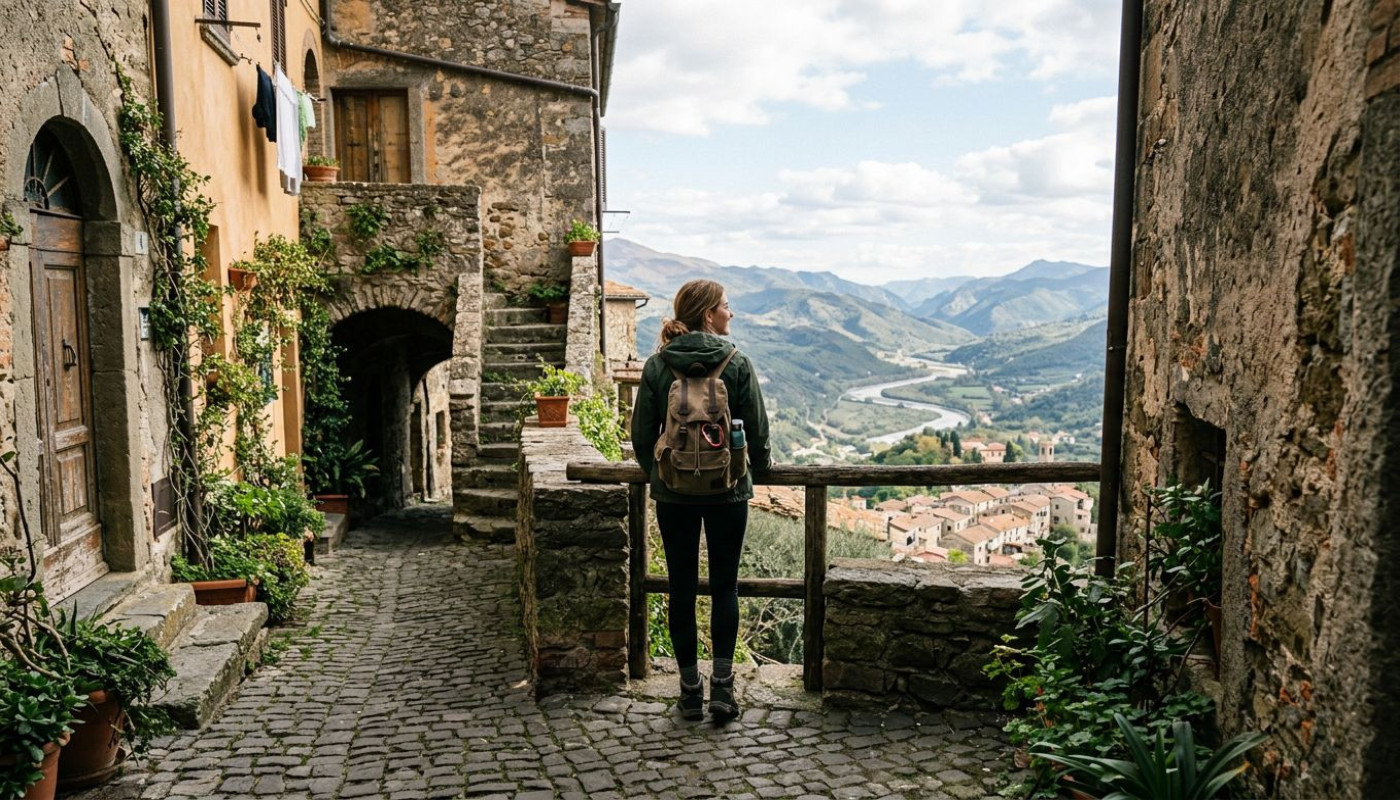
From Hidden Alleys To Panoramic Hikes: Celebrating Micro-adventures In Every Journey
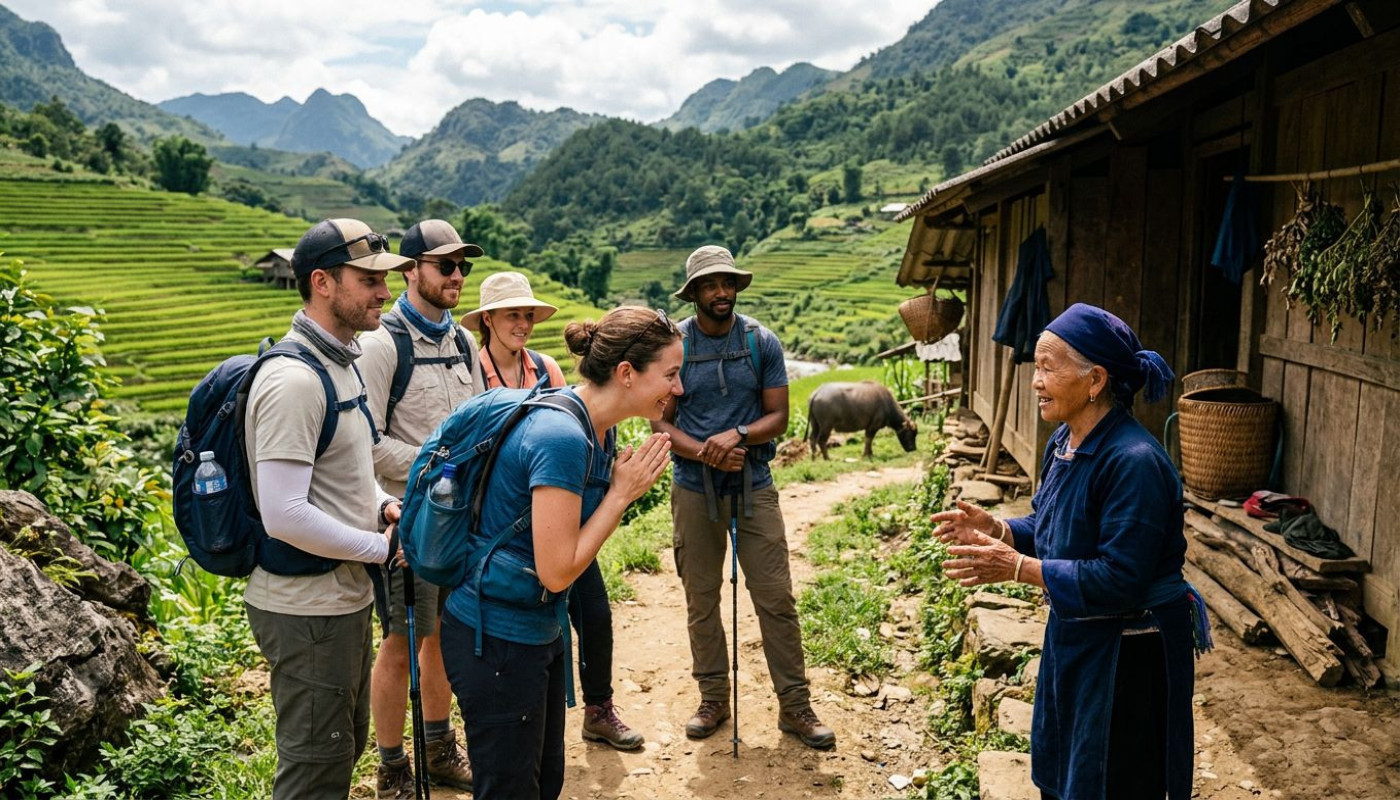
Excursion Etiquette: Balancing Adventure With Respect For Culture

How To Tailor A Vacation For Thrill-seekers And Adventurers?

How Tailored Marketing Strategies Boost Tourism Attraction?

Maximizing Your Adventure: Choosing The Right Ski And Bike Rentals

Top Tips For Choosing The Perfect Sailboat For Your Next Vacation

Exploring The Benefits Of Seasonal And Off-Season Camping: A Guide To Choosing The Best Time For Your Retreat

Exploring The Best Snorkeling Spots Near Utila: An Adventurer's Guide
